Transform Your Kitchen & Bathroom into a Modern Oasis
Freehold Kitchen & Bath Remodel
Changing kitchens and bathrooms in Freehold with style, usefulness, and long-lasting value
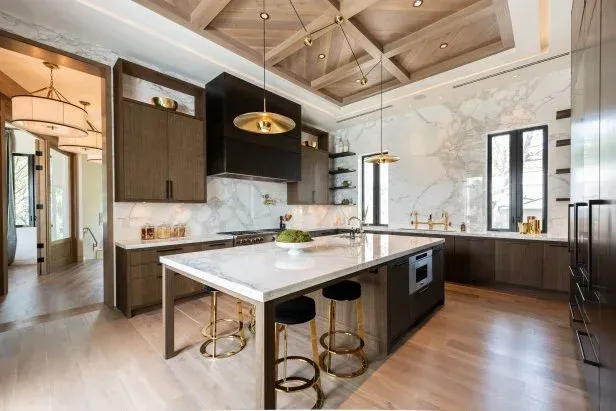
KITCHEN REMODELING
Any Kitchen Replacement / Upgrade
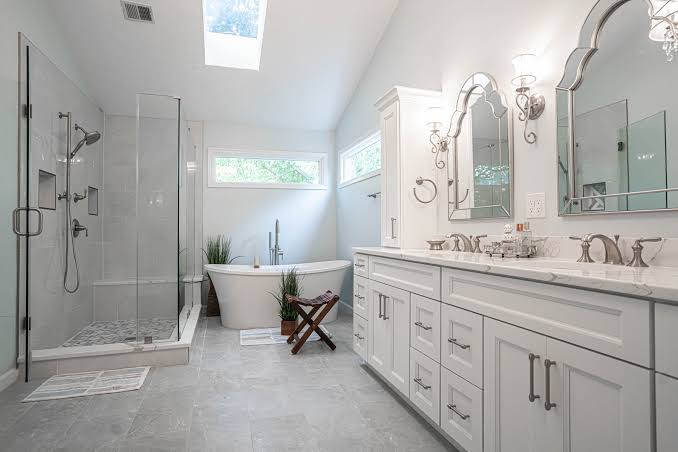
BATHROOM REMODELING
Complete Bathroom Remodel
Your Kitchen & Bathroom Remodeling Experts
A home is more than simply a building; it is a storehouse of memories, a starting point for everyday life, and a private haven. For many homeowners, the goal of an updated, efficient, and visually appealing living space begins—and frequently ends—in two essential areas: the kitchen and the bathroom. A professionally completed kitchen or bathroom remodeling project, handled with precision and care, can unlock a home's full potential, substantially improve daily life, and add lasting value to the property.
The path to an appealing home renovation project takes more than simple construction; it requires cooperation with experienced specialists who possess a deep understanding of design, architecture, and the client's vision.
This is where dedicated kitchen and bathroom remodeling specialists distinguish themselves by providing comprehensive solutions suited to the unique needs of each homeowner and property. Whether you're considering a complete kitchen transformation or the development of a luxurious, spa-like bathroom retreat, homeowners expect quality, reliability, and thoughtful design—all essential elements of a successful remodeling experience.
Transform Your Kitchen into a Modern Oasis
The Heart of the Home: Premier Kitchen Remo—deling in Freehold, NJ
Our team specializes primarily in kitchen remodeling and bathroom remodeling, helping homeowners bring new life, comfort, and beauty into their homes through intelligent design and professional execution.
We provide a seamless remodeling experience from start to finish, managing design, material selection, construction, installation, and finishing under one roof.
Why a Kitchen Remodel is More Than Just an Upgrade
Replacing cabinets and appliances is only one aspect of a successful kitchen renovation. It is a calculated effort to maximize storage, streamline productivity, and showcase the homeowner's unique style. Professional designers prioritize the "kitchen triangle"—the path between the sink, refrigerator, and stove—to help ensure optimal efficiency.
They also focus on creating sophisticated, modern layouts that support today's open-concept living trends, where the kitchen often flows effortlessly into dining and living areas.
A kitchen makeover can also provide an opportunity to improve the overall value and functionality of a home. Potential buyers often place an updated kitchen among their priorities when evaluating a property. Modern plumbing fixtures and energy-efficient appliances may also help reduce utility costs, while durable, easy-to-clean surfaces and soft-close cabinetry make the space more enjoyable and easier to maintain.
This combination of durability, functionality, and visual appeal makes a thoughtfully designed kitchen renovation a valuable investment for homeowners.
Designing Your Dream Freehold Kitchen
One of the most important stages of any kitchen renovation is the design process. It begins with a thorough consultation where the remodeling team works with the homeowner to understand aesthetic preferences, practical needs, lifestyle requirements, and budget considerations.
This targeted, client-centered approach helps ensure that the finished kitchen is not simply attractive, but also completely personalized to the people who use it every day.
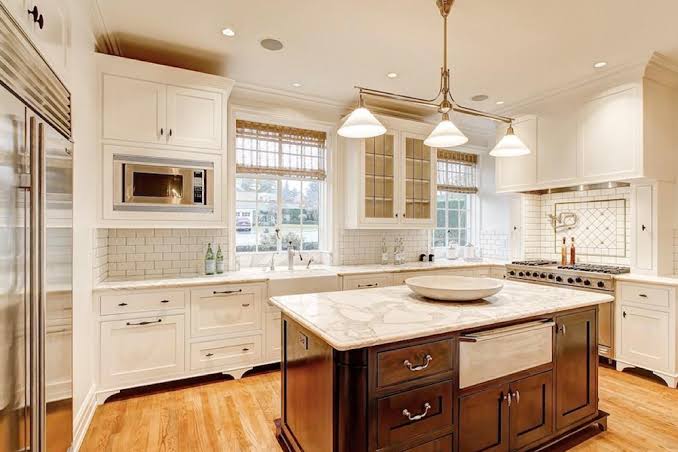
Cabinetry & Storage Solutions
Cabinets are one of the focal points of a kitchen's design and account for a significant portion of many renovation budgets. Today's market offers a wide range of possibilities, from custom and semi-custom cabinetry to stock options.
Experts can help homeowners select the appropriate finishes, ranging from sleek, modern flat-panel designs to traditional shaker styles, as well as materials such as solid wood, plywood, or medium-density fiberboard (MDF).
Smart storage solutions are frequently incorporated into contemporary kitchen remodeling projects to improve organization and performance. These may include pull-out spice racks, built-in drawer organizers, specialized pantry systems, vertical storage, and creative uses of corner space.
With comprehensive remodeling services, homeowners can create a kitchen that is both beautiful and practical. Every aspect, from initial design through installation, can be carefully coordinated to bring the desired result to life.
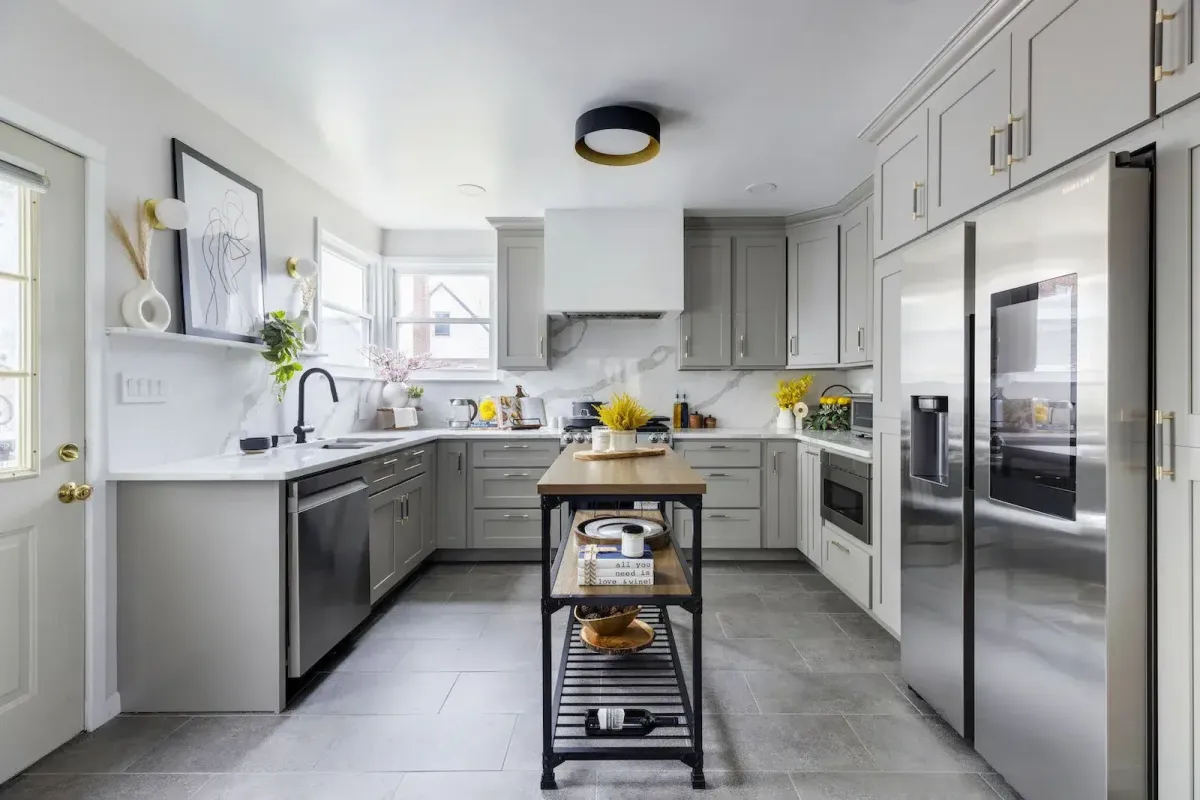
Countertops: The Foundation of Functionality
Countertops need to be both aesthetically pleasing and durable enough to withstand everyday use. Remodeling specialists consider durability, maintenance requirements, lifestyle, and visual appeal when helping homeowners select the right material.
Quartz: A highly popular choice, engineered quartz is non-porous, highly resistant to staining, and requires virtually no maintenance, making it suitable for busy households.
Granite: A timeless natural stone known for its unique patterns and strong resistance to heat and scratching.
Marble: Prized for its luxurious, classic appearance, marble adds an unmistakable element of elegance, although it requires more diligent sealing and care.
Butcher Block: Offers a warm, organic feel and is ideal for homeowners who prefer a traditional or farmhouse aesthetic.
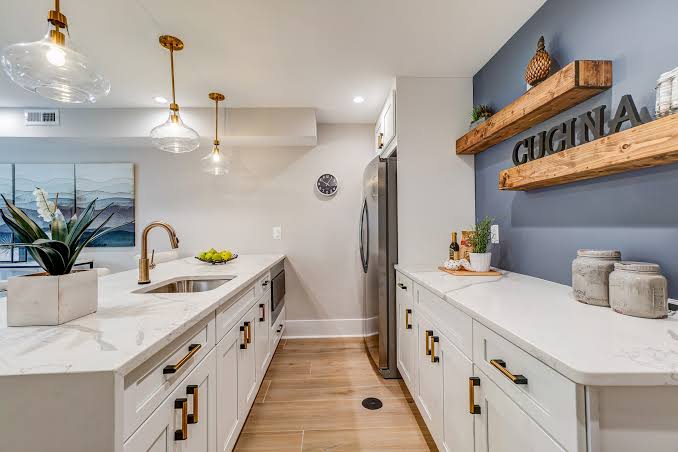
Flooring and Lighting: Setting the Mood
No kitchen redesign is complete without attention to flooring and lighting. Flooring should be sturdy, slip-resistant, easy to maintain, and complementary to the cabinetry and overall design.
Popular options include large-format porcelain tile, durable luxury vinyl planks (LVP), and classic hardwood.
Lighting is another important design element, providing both function and ambiance. Kitchen designs frequently incorporate three forms of lighting:
Ambient Lighting: General illumination provided by recessed lights or stylish fixtures.
Task Lighting: Essential for work areas, typically provided by under-cabinet LED lighting to illuminate countertops.
Accent Lighting: Used to highlight architectural features or decorative elements, often inside glass-front cabinets or above an island.
The Freehold Kitchen Remodel Process: Clarity and Craftsmanship
A systematic approach helps create a seamless and predictable remodeling experience while minimizing disruption to the homeowner's daily life. In general, the process follows a number of clearly defined steps:
1. Initial Consultation & Needs Assessment: Defining the scope, budget, priorities, and wish list.
2. Detailed Design & 3D Rendering: Transforming ideas and concepts into visual plans.
3. Material Procurement & Scheduling: Ordering materials and establishing a project schedule.
4. Demolition & Site Preparation: Carefully removing the existing kitchen and preparing the structure.
5. Rough-in Work: Installing new electrical wiring, plumbing, and HVAC lines behind the walls when required.
6. Installation Phase: Installing cabinetry, flooring, countertops, fixtures, and other selected materials.
7. Finishing Touches: Completing backsplashes, lighting, appliances, trim, paint, and other finishing details.
8. Final Walkthrough: Conducting a detailed inspection to ensure the finished project meets quality standards and the homeowner's expectations.
Transform Your Kitchen
Whether you dream of a modern kitchen renovation or a spa-style bathroom remodel, our team has the experience and creativity to help bring your vision to life.
Transform Your Bathroom into a Modern Oasis
Your Personal Sanctuary: Expert Bath Remodeling Services in Freehold
While the kitchen is often the hub of the home, the bathroom serves as a personal retreat. A professionally managed bathroom remodeling project can transform a strictly functional space into a beautiful, comfortable, spa-like refuge.
Upgrading a bathroom also gives homeowners the opportunity to improve functionality, storage, accessibility, lighting, and overall comfort while creating a space that reflects tc
Transforming the Bathroom: A Retreat for Relaxation and Rejuvenation
Modern luxury bathroom remodels focus on creating spaces that inspire wellness and tranquility. High-end fixtures, elegant lighting, thoughtful layouts, and carefully selected finishes can help create a greater sense of openness and relaxation.
A bathroom renovation can also provide an opportunity to incorporate universal design features for homeowners who want to age in place. Features such as grab bars and curbless showers can improve accessibility and safety without sacrificing style.
Bathroom remodeling experts work with homeowners to solve common problems such as inadequate storage, poor lighting, outdated fixtures, and inefficient layouts. The result can be a space that works perfectly for everyday routines while also providing a private retreat for relaxation.
Even smaller bathrooms can produce striking results through the use of bright finishes, large mirrors, wall-mounted vanities, and thoughtful layouts that create the impression of additional space.
Essential Elements of an Freehold Bathroom Renovation
The technical requirements of a wet environment must be carefully balanced with aesthetics for a bathroom remodel to be successful.
Each component should be durable, moisture-resistant, and properly installed according to applicable standards and best practices.
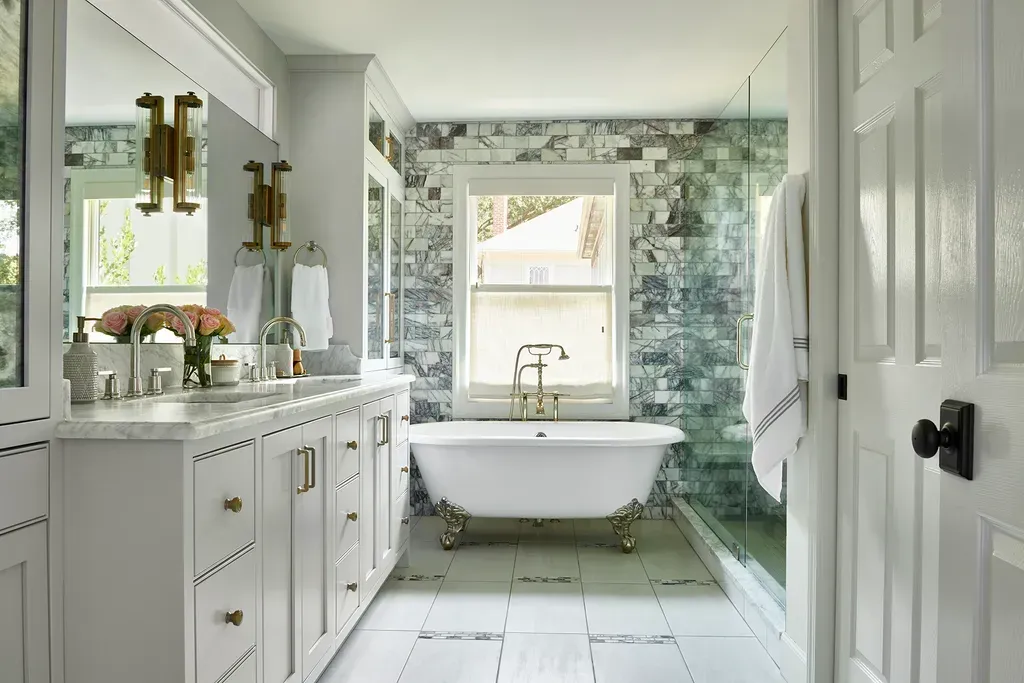
Showers and Tubs: The Centerpiece
The shower or bathtub is often the centerpiece of a modern bathroom. Large, luxurious shower installations featuring frameless glass enclosures, multiple showerheads—including rainfall and handheld options—and integrated seating continue to be popular.
Curbless walk-in showers are especially appealing for their sleek appearance and accessibility.
Tile selection is also an important part of the design. Large-format tiles can be used on walls and floors to reduce grout lines and create a clean, contemporary appearance. Mosaic tiles can add visual interest as accent strips, niches, or shower-floor surfaces while also providing additional traction.
Whether the project involves a complete bathroom renovation or a new vanity and shower installation, the bathing area often remains the visual focal point.
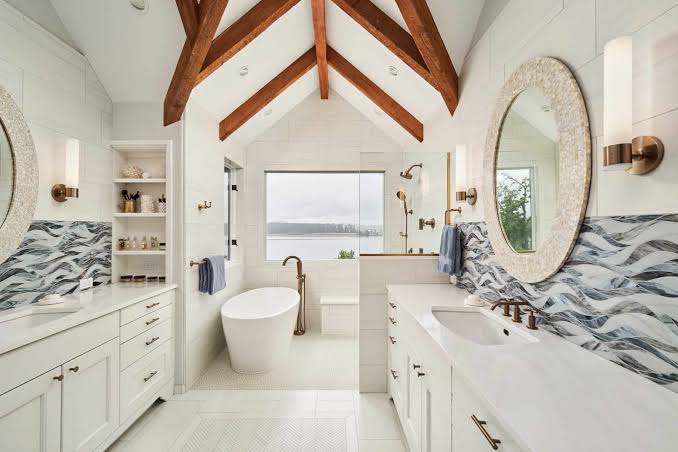
Freestanding soaking tubs can add another level of luxury, transforming an ordinary bathroom into a relaxing home spa.
Vanities and Storage: Blending Style and Utility
The vanity serves as both a storage solution and an important component of the bathroom's overall design.
From furniture-style vanities that provide generous drawer storage to floating vanities that maximize floor space and create a minimalist appearance, homeowners have a wide range of options to choose from.
Integrated lighting beneath floating vanities can provide a contemporary finishing touch while also improving nighttime visibility.
Beyond the vanity itself, other storage options include open shelving, recessed medicine cabinets, and built-in linen closets. The goal is to keep personal belongings organized while creating a calm, clutter-free environment.
Fixtures and Finishes: The Details That Define Luxury
The selection of fixtures is where homeowners can fully personalize their bathroom.
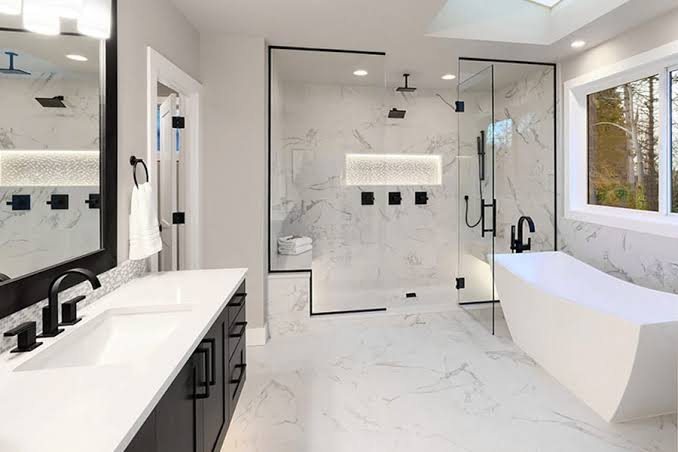
Popular finishes with different stylistic qualities include matte black, polished chrome, and brushed nickel. Low-flow faucets and high-efficiency toilets can provide modern functionality while supporting water conservation.
Statement lighting, such as attractive sconces positioned around a mirror, can also replace harsh overhead lighting and create a softer, more inviting atmosphere.
Ensuring Quality and Durability in Every Freehold Bath Project
Because of the constant presence of water and moisture, a bathroom renovation requires careful attention to technical details to help prevent future problems.
Strong waterproofing methods are a top priority for reputable bathroom remodeling professionals. This can include applying the appropriate sealants around tubs and showers, installing waterproof membranes, and using specialized backer boards in areas exposed to moisture.
Ventilation is another essential component. High-capacity, low-decibel exhaust fans can help manage humidity, protecting walls, paint, cabinetry, and other materials from moisture damage while helping inhibit mold and mildew growth.
This attention to the hidden infrastructure helps ensure that the beauty, comfort, and functionality of the finished bathroom can last for years.
The Freehold Advantage: Why Choose Local Experts for Your Remodel
Working with experienced local professionals who understand the area's homes, building requirements, and permitting processes can be valuable when taking on a major renovation project.
A local remodeling team is also invested in its reputation and relationships within the community, helping provide a greater level of service, accountability, and communication throughout the project.
Commitment to Quality Craftsmanship and Materials
A successful remodeling project depends on quality materials and skilled craftsmanship.
This dedication involves sourcing durable, high-quality products from reliable local and national suppliers while working with experienced tradespeople such as plumbers, electricians, carpenters, tile installers, and other professionals who take pride in their work.
From the precision cutting of a stone countertop to the careful installation of a tile pattern, attention to detail helps provide both structural integrity and an attractive final appearance.
A Client-Centric Approach: Transparency from Start to Finish
Although remodeling projects can be complex, the process should never feel unclear.
Professional remodeling teams emphasize clear and consistent communication throughout the project. This includes providing detailed estimates, establishing realistic timelines, explaining material selections, and maintaining a reliable point of contact throughout the renovation.
From the initial kitchen design consultation to the final project walkthrough, a client-focused approach helps homeowners remain informed and confident about the progress of their renovation.
The goal is not simply to build a beautiful room, but to create a remodeling experience based on professionalism, communication, and trust.
Maximizing Home Value with Strategic Renovations
Strategic renovations can be especially valuable for homeowners considering selling their property in the coming years.
Kitchen and bathroom improvements can enhance a home's functionality, appearance, and overall appeal to prospective buyers. A well-designed kitchen makeover or updated bathroom can become an important selling feature while improving the homeowner's experience in the meantime.
By connecting design decisions with current preferences and selecting durable, high-quality materials, a remodeling project can become a meaningful long-term improvement rather than simply an expense.
Frequently Asked Questions
Strategic renovations are crucial for homeowners who plan to sell in the coming years. The kitchen and bathroom are always the projects with the best return on investment, according to experts. A skilled Freehold kitchen makeover or a sleek bathroom update is a potent marketing tool that may substantially minimize time on the market and raise the final sale price. By connecting design decisions with current market demands and utilizing timeless, high-quality materials, the remodeling becomes a robust financial investment, not only an expense.
How long does a typical kitchen or bathroom remodel take?
The scope of work has a significant impact on the timeline for kitchen and bathroom renovations. A modest bathroom remodel, such as replacing fixtures and a vanity, might take approximately 2–4 weeks.
A comprehensive, down-to-the-studs kitchen renovation can take approximately 6–12 weeks from demolition through completion, particularly when structural modifications or plumbing and electrical changes are involved.
Custom orders, material availability, project complexity, inspections, and other factors can also affect the overall schedule. A reputable contractor should provide a detailed and realistic project timeline before work begins.
What is the average cost of a kitchen remodel in Freehold?
The cost of a kitchen remodel varies depending on the size of the kitchen, the scope of work, materials selected, cabinetry, countertops, appliances, plumbing and electrical requirements, and the level of customization.
A detailed consultation and project estimate can provide a more accurate understanding of the expected investment for a specific renovation.
Q: Do I need a permit for a bathroom remodel in Freehold?
Permit requirements can vary depending on the scope of the renovation and the work being performed. Projects involving structural changes, plumbing, electrical work, or other significant modifications may require permits.
A qualified remodeling professional can help determine which permits and inspections may be required for your project.
Which materials offer the best ROI for a remodel?
The best materials depend on the homeowner's goals, budget, lifestyle, and the type of renovation. Durable, timeless materials that provide both functionality and visual appeal are often strong choices for long-term value.
Quality cabinetry, durable countertops, practical flooring, efficient fixtures, and well-installed finishes can all contribute to a successful renovation.
Frequently Asked Questions
Bring your ideas to life with a professionally designed and carefully executed kitchen or bathroom renovation.